
Boiler Maintenance Made Easy: Simple Checks You Can Do at Home
Keeping your boiler in good condition isn’t just about avoiding unexpected breakdowns. It is also about saving money, improving energy efficiency, and protecting your household from potential safety risks. A well-maintained boiler runs more smoothly, lasts longer, and can significantly reduce heating bills. However, neglecting routine care may lead to costly repairs or even more serious issues, such as carbon monoxide leaks and boiler damage.
Our boiler maintenance checklist is a straightforward guide to maintaining your boiler in optimal condition. It covers basic checks you can safely do yourself. Following the checklist helps you identify minor issues early and ensures your heating system remains safe, efficient, and reliable throughout the year.
Boiler Maintenance: Easy Checks at Home
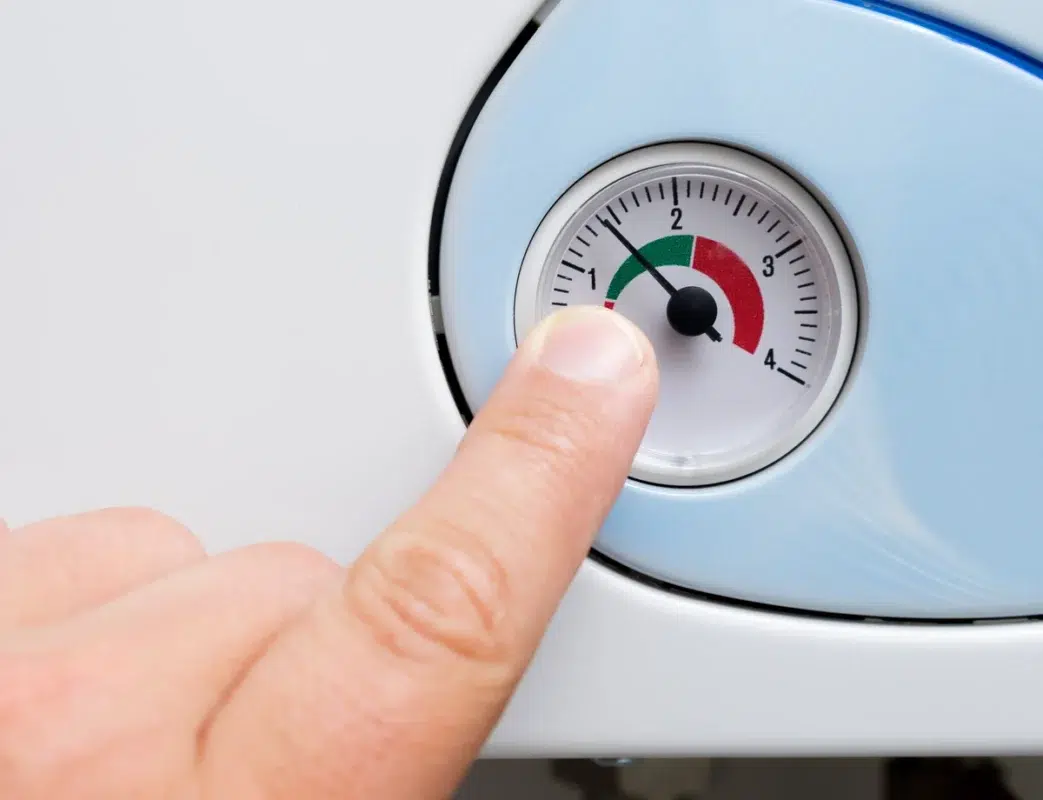
Check The Boiler Pressure.
The boiler pressure indicates the water level in your system and should be between 1 and 1.5 bar when the system is cold. If it is too low, your radiators may not heat properly, and if it is too high, it can cause damage.
You can check the gauge on your boiler and top it up using the filling loop if needed. If the pressure continues to drop, contact a Gas Safe engineer.
Look For Leaks
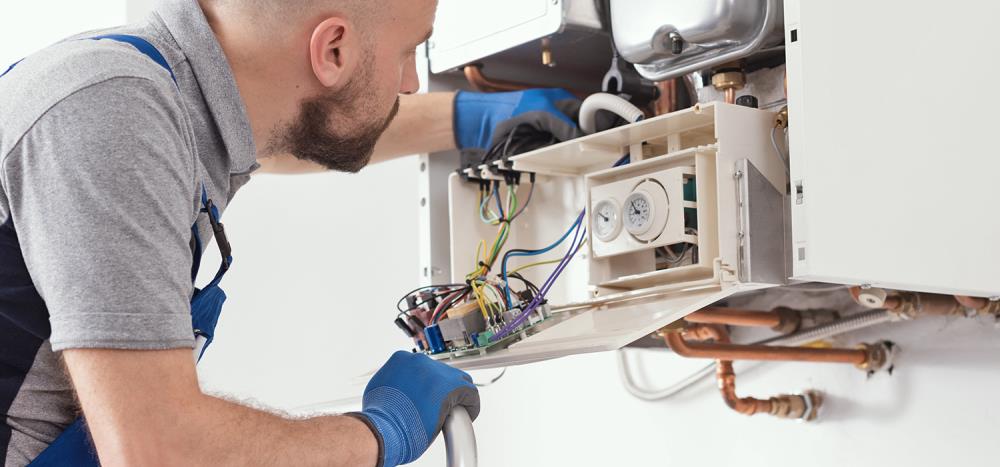
Regularly check your boiler and surrounding pipework for signs of water leakage. Even small drips or damp patches can indicate worn seals, corroded pipes, or pressure issues. Ignoring leaks can lead to water damage, reduced efficiency, or more serious mechanical problems.
Early detection allows timely repairs, helping to maintain safe operation and extend the lifespan of your boiler.
Listen For Unusual Boiler Noises
Boilers usually run quietly, so unusual noises can be an early warning sign of a problem. Whistling or hissing may suggest air in the system, while banging or knocking could point to limescale buildup or a failing pump. Gurgling sounds often indicate trapped water.
By noticing these sounds early, you can deal with minor issues before they turn into costly repairs, helping your boiler stay safe and efficient.
Check For Error Codes On The Boiler
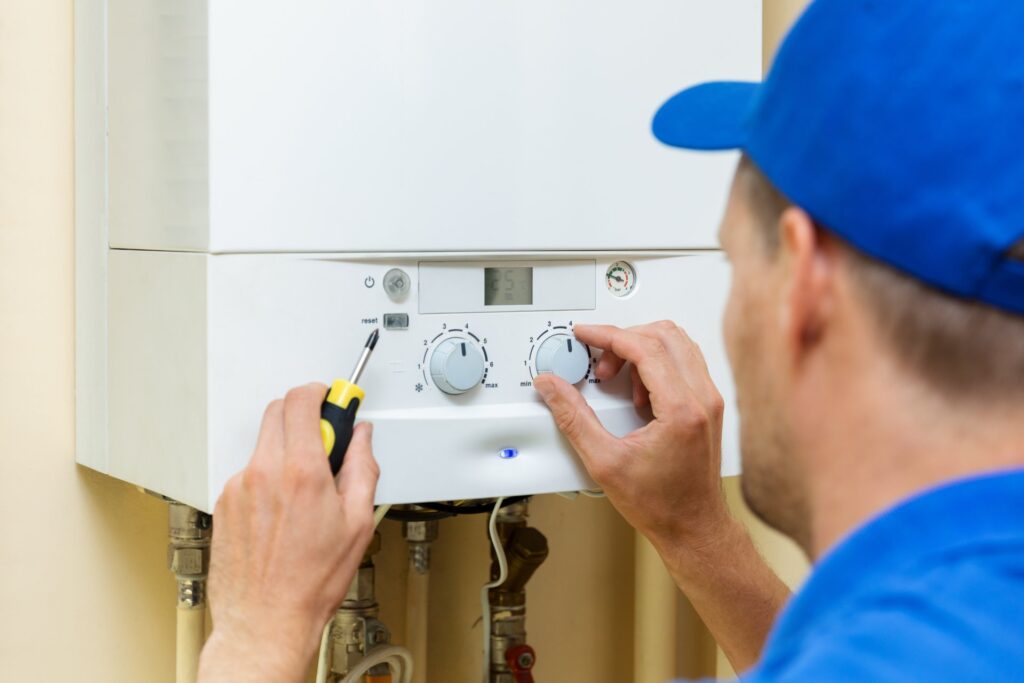
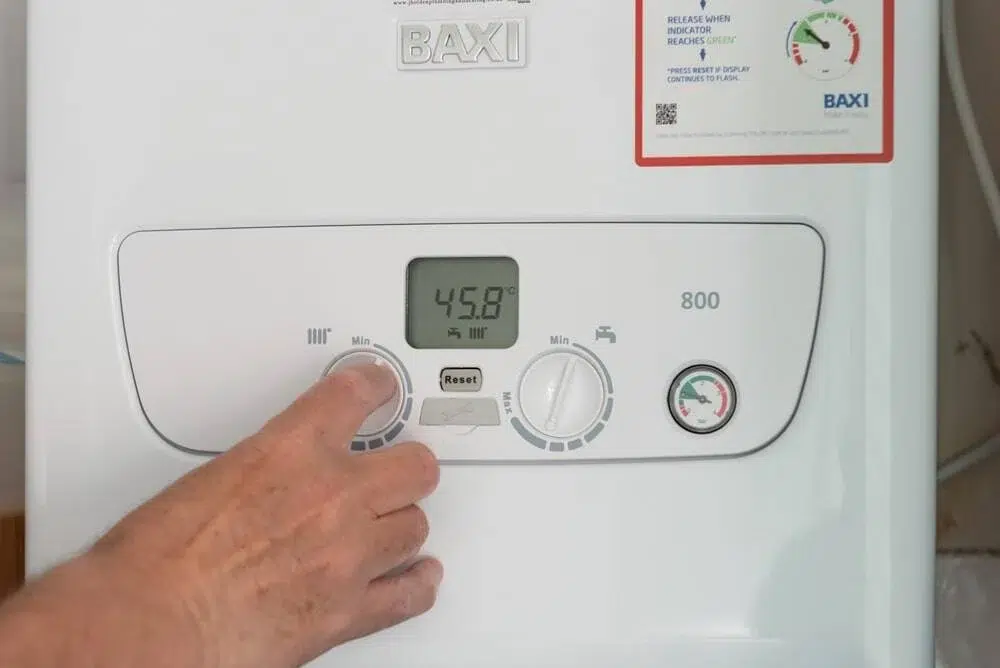
Modern boilers feature a digital display that displays error codes when an issue arises. These codes can indicate issues such as low pressure, ignition failure, sensor problems, or a blocked flue. Check the display regularly and note any codes. Your boiler manual usually explains them.
If you are unsure or the problem persists, contact a Gas Safe engineer. Monitoring codes helps prevent minor issues from becoming costly breakdowns.
Bleed Radiators If Required
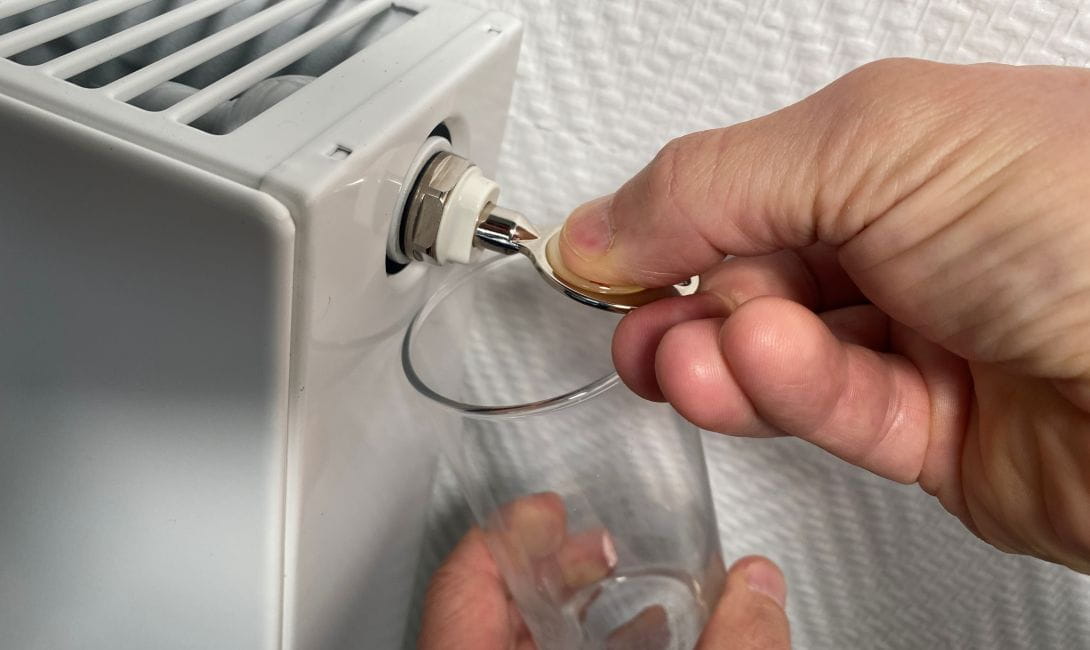
Over time, air can become trapped in your radiators, resulting in cold spots and reduced heating efficiency. Bleeding releases this air and allows hot water to circulate properly. Listen for gurgling sounds or check if the top of a radiator stays cold while the bottom is hot, as these are signs it may need bleeding.
Regularly checking and bleeding radiators helps your heating system run efficiently and reliably.
Inspect The Pilot Light
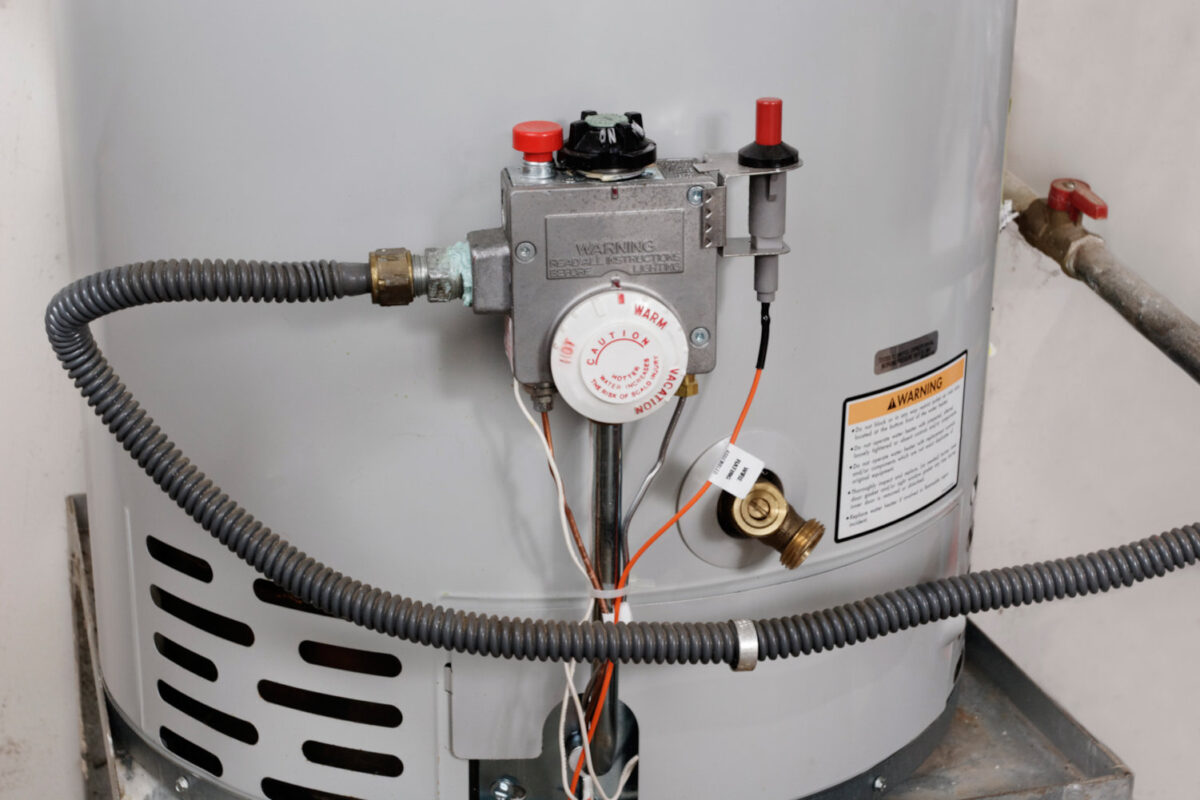
For boilers with a pilot light, make sure it’s lit and burning with a steady blue flame. A yellow or flickering flame may signal incomplete combustion, a dirty burner, or an issue with the gas supply. If the pilot light goes out often, avoid trying to relight it repeatedly yourself.
Instead, you can contact a Gas Safe registered engineer to check the system and make sure your boiler is running safely and efficiently.
Conclusion
Regular maintenance and timely inspections are crucial for keeping your boiler and home systems running safely and efficiently. By staying proactive and following straightforward guidelines, you can prevent costly problems, enhance energy efficiency, and enjoy reliable comfort throughout the year. Please remember, when in doubt, always consult a qualified professional to make sure your systems are safe and well-maintained. LW Haddow Plumbing and Heating provide expert boiler maintenance services.