
Plumbing problems are something many homeowners in Scotland face at one time or another. From frozen pipes in winter to leaky taps, these issues can be frustrating and costly if left untreated. Understanding the most common plumbing problems can help you spot them early and know how to go about resolving the fault. In this blog post, we will go through five plumbing issues that are very common in Scottish homes, along with tips on how to fix them.
Frozen And Burst Pipe
Frozen pipes are one of the common issues among Scottish homeowners during harsh winters. When water inside a pipe freezes, it expands, putting pressure on the pipe walls, which can lead to cracks or even a burst. Pipes in lofts, basements, garages, or along external walls are most at risk, especially if they are poorly insulated. You can identify freezing pipes if water flow slows or stops, pipes appear frosty, or you hear banging or gurgling noises. In severe cases, leaks or puddles may appear around the pipe.
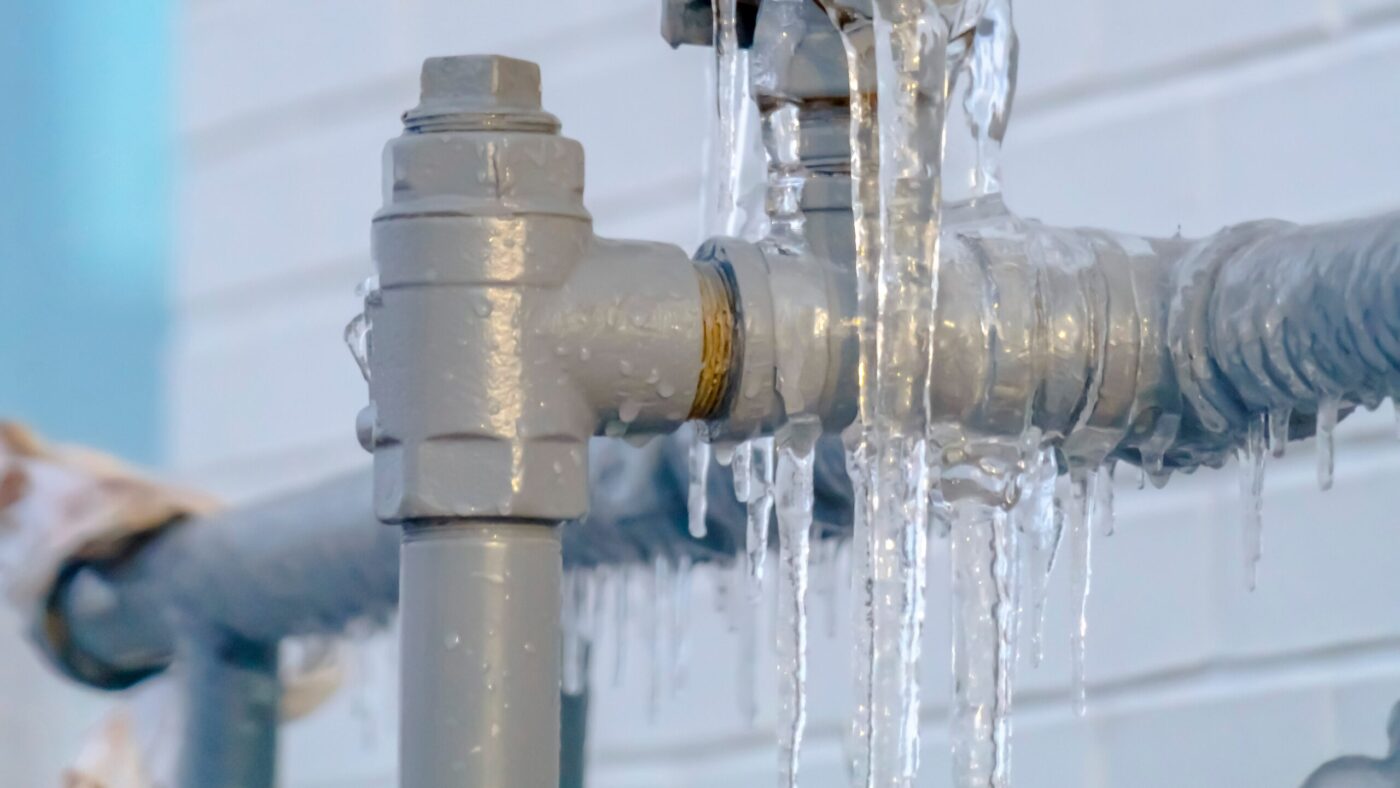
Simple preventive steps like insulating pipes, keeping a trickle of water running during extreme cold, and draught-proofing key areas can help avoid the stress and damage caused by frozen or burst pipes. During extreme cold, let a small trickle of water run through taps to keep water moving. Keep your heating on during low temperatures and open cupboard doors around sinks and pipes to let warm air circulate, helping prevent freezing.
If a pipe freezes, turn off the main water supply to reduce pressure in the system. Gently thaw the pipe using a hairdryer, warm towels, or a heating pad, never use a naked flame, as this can damage the pipe or cause a fire. Start thawing from the tap end and work back toward the frozen section to allow water to flow as ice melts. Once fully thawed, check for leaks or cracks. If any damage is detected, call a qualified plumber immediately to repair it and ensure your heating system is running safely.
Low Water Pressure
Low water pressure can occur for several reasons, including limescale buildup in pipes or taps, partially closed valves, leaks in the plumbing system, or issues with the council water supply. It may also happen in older homes with narrow or corroded pipes.
You can identify low water pressure by noticing weak or uneven flow from taps and showers, slow filling of appliances like kettles or washing machines, or a sudden drop in flow when multiple taps are used simultaneously. Observing these signs early can help you address the problem before it causes bigger plumbing issues.
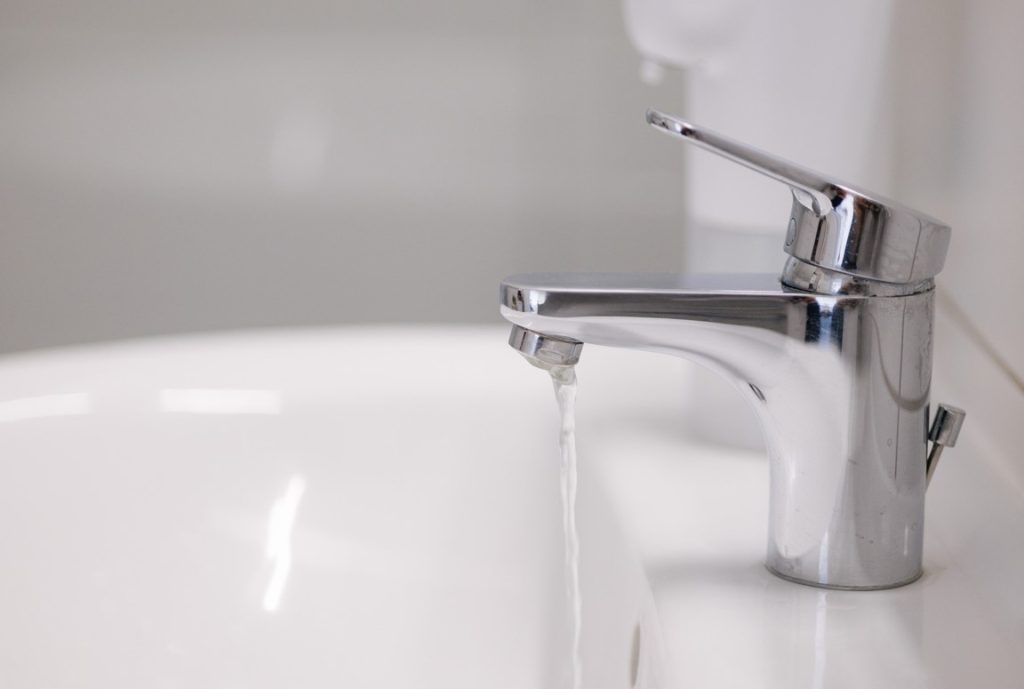
If you notice low water pressure, start by ensuring all the valves in your home are fully open. Then, check taps or showerheads for limescale buildup, which can be removed with a descaling solution. Run water through the system to flush out any sediment and clean aerators to restore proper flow. If the problem persists across several taps or occurs intermittently, it may be due to a leak, pipe corrosion, or an issue with the municipal supply. In these cases, it is best to call a qualified plumber to inspect and repair the system to ensure it works safely and efficiently.
Block Drains And Toilet
Drains and toilets usually clog when hair, soap scum, grease, food waste, or foreign objects build up in pipes over time. Tree roots can also infiltrate underground drains, causing severe blockages. You can identify a blockage by slow-draining sinks or showers, gurgling sounds from toilets or drains, foul odours coming from pipes, or toilets that refuse to flush properly. Early detection is essential to prevent overflow, water damage, and costly repairs.
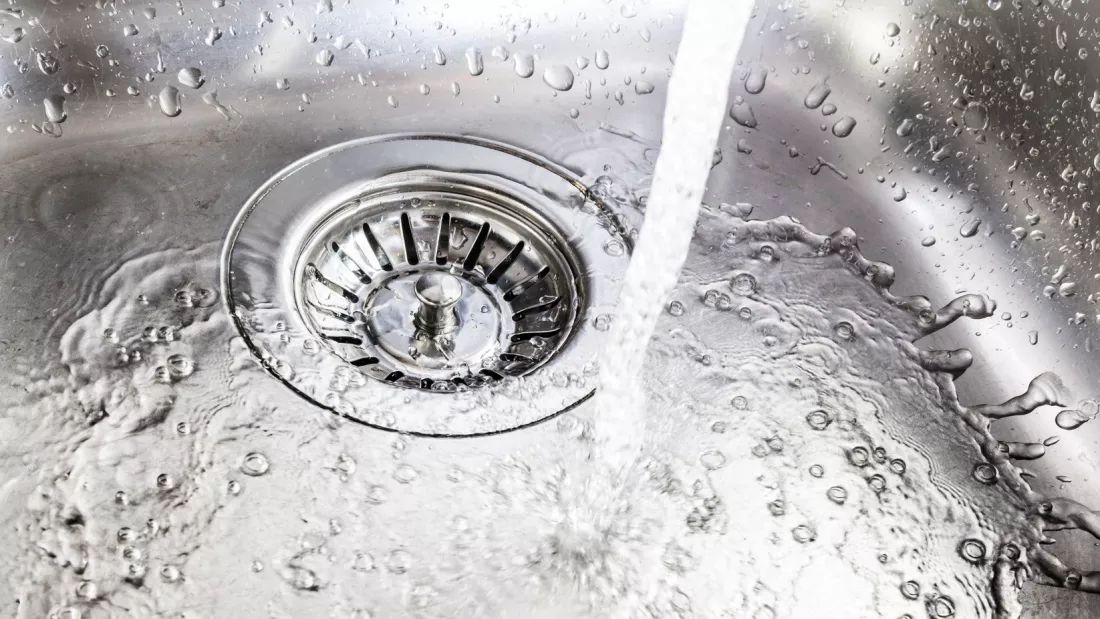
If you encounter a blocked drain or toilet, start by using a plunger or a hand-operated drain snake to try to clear the blockage safely. Avoid using harsh chemical drain cleaners, as they can damage pipes and worsen the plumbing problem. For stubborn blockages, especially those caused by tree roots or deep debris, it is best to call a qualified plumber.
Leaking Taps And Fixtures
Leaking taps and fixtures are one of the most common plumbing problems homeowners encounter. They usually occur due to worn-out washers, corroded seals, loose fittings, or general wear and tear over time. You can identify a leak by dripping water from taps, pooling around sink or bath edges, higher water bills, or a constant hissing sound when taps are turned off. Even small leaks should be addressed promptly, as they can waste water and cause damage to cabinets or floors.
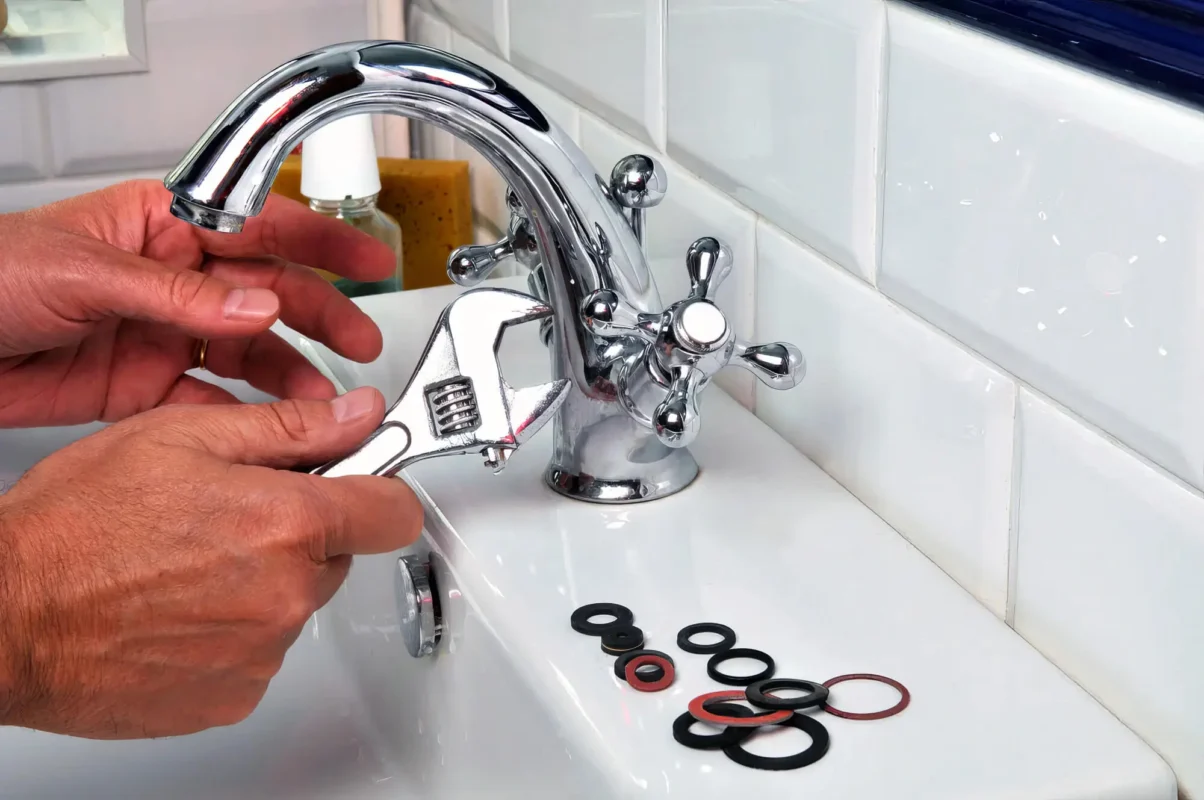
If you notice a leaking tap or fixture, you can start by turning off the water supply to prevent further water waste and damage. For simple leaks, replacing worn washers or seals and tightening loose fittings can often resolve the problem. If the leak persists and is coming from a concealed pipe or involves corrosion, it is best to call a qualified plumber who can assess and repair the issue safely.
Radiators Not Heating Properly
Radiators that fail to heat properly are a common issue homeowners face, especially during the colder months. This can happen due to trapped air in the system, sludge or debris buildup, faulty thermostatic radiator valves, or issues with the boiler itself. You can identify the problem if some radiators remain cold while others are hot, the top of the radiator is cooler than the bottom, or your home takes longer than usual to warm up.
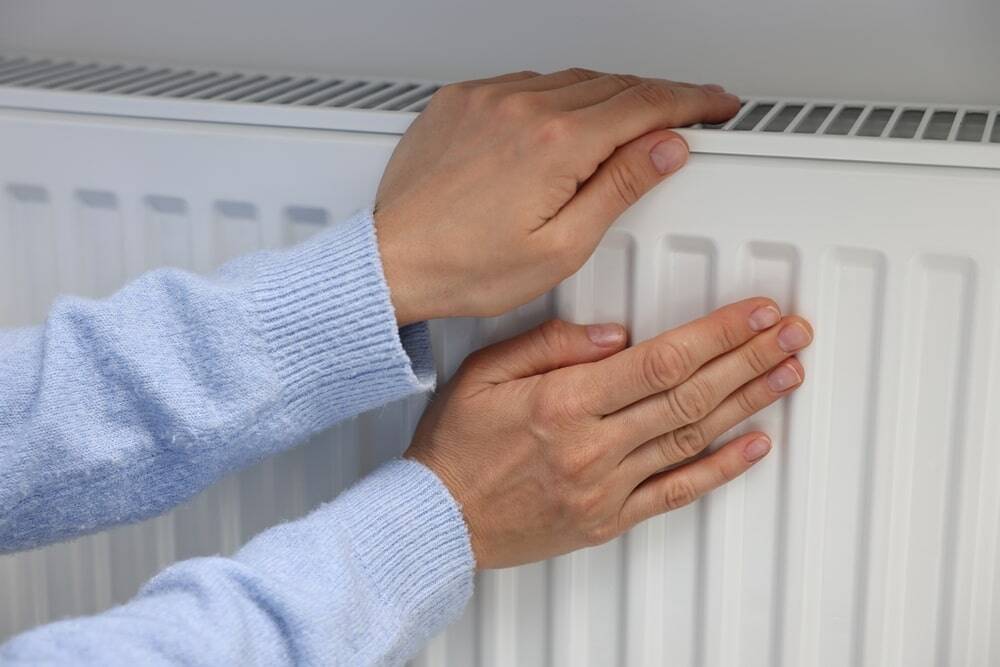
If your radiators are not heating properly, start by bleeding them to release any trapped air, which often causes cold spots. Check that the thermostatic radiator valves are fully open and functioning correctly, and ensure the boiler is operating efficiently with the correct pressure.
For radiators that remain cold despite these steps, the system may have sludge or debris buildup, or there could be an underlying boiler issue. In such cases, it is best to call a qualified heating engineer to flush the system, service the boiler, and ensure your home heats evenly and safely.
Conclusion
Plumbing issues are a reality in many Scottish homes due to cold winters, older properties, and varying water systems. Being aware of common problems and knowing when to take action or call a professional can save time, money, and stress. Proactive maintenance and expert support ensure your home stays safe, comfortable, and free from costly water damage year-round. At LW Haddow Plumbing and Heating, we provide expert plumbing solutions across Scotland.